Football Speed and Skill Training in Northern Virginia: Elite Skills Are Built Over Time

Every so often I meet a family that is coach shopping.
They book one session, watch closely, and make a decision fast. Sometimes they are hoping their athlete will look dramatically different after 60 minutes.
Faster. Sharper. More confident.
Like something flipped overnight.
I understand the hope. Parents want results. Athletes want to feel change.
But here's the truth.
Competence is a process. Skill is a process. Elite performance is a process. One session does not create mastery. One session reveals what needs to be built.
That's why my coaching style is not for everyone.

The One-Session Myth
There is a misconception in youth sports that a great coach can create a huge transformation in one workout.
That's not how real development works.
A good first session is usually not flashy. It's diagnostic, corrective, and foundational.
Most of the time, my first session looks like this:
I slow the athlete down
I break the movement into parts
I deconstruct habits that are holding him back
I rebuild the pattern with standards
To someone expecting instant results, that can feel mundane.
To a coach who understands development, that is where it starts.
What I Learned in an Elite Military Unit
I learned this lesson in one of the most elite units in the military. When we went to the range, we didn't start by shooting fast or trying to look impressive. We started with dry fire. Then we moved to slow, aimed fire from five meters. It was deliberate and almost boring on purpose. The goal was perfect fundamentals under zero pressure before we added speed, distance, and stress.
That's the same principle I use in training athletes. If the basics are not automatic, they will not hold up when the environment gets chaotic.
Skill Is Built Through Deep Practice, Not Novelty
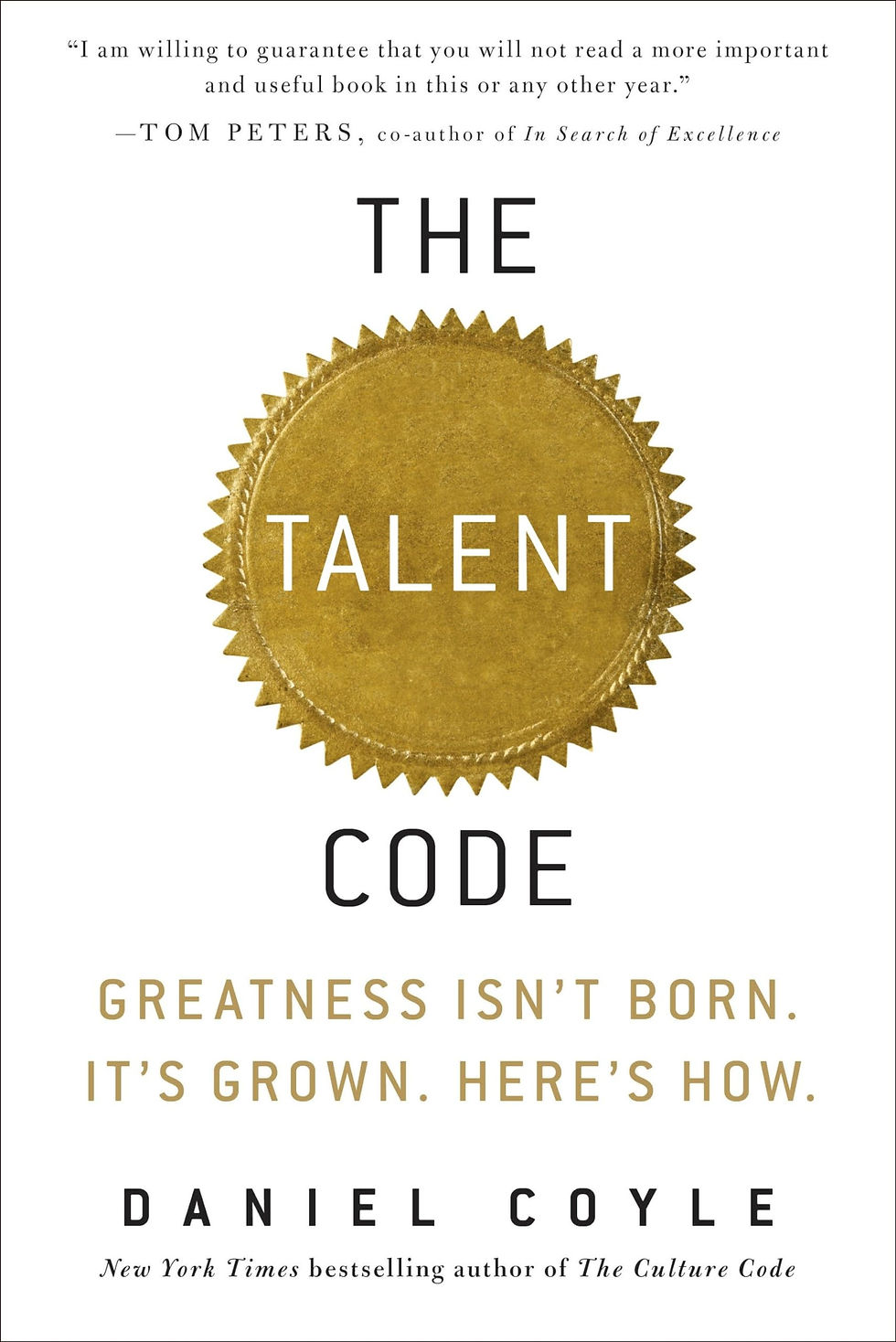
One of the best explanations for skill development comes from The Talent Code by Daniel Coyle. The idea of deep practice is simple. You work on the smallest parts of a skill, you make mistakes, you correct them, and you repeat the pattern until it becomes clean.
This how real ability is built.
It's also why the best athletes often look boring in training.
They are doing the same fundamentals over and over with intent.
They are not chasing novelty. They are chasing mastery.
The 10,000 Reps Mindset
People love the 10,000-hour idea popularized by Malcolm Gladwell in Outliers. The point is not the magic number. The point is that elite performance comes from years of high-quality repetitions, not quick fixes.
This famous quote by Bruce Lee is: "I fear not the man who has practiced 10,000 kicks once, but I fear the man who has practiced one kick 10,000 times".
This quote emphasizes that deep mastery, discipline, and repetition of a single skill are more dangerous and effective than superficial knowledge of many skills
The Art of Learning and the Discipline of Boring
Josh Waitzkin’s The Art of Learning hits the same theme. The athletes who become great are often the ones who can stay present in the fundamentals. They do not need constant stimulation. They do not need variety for the sake of variety. They can work on small details long enough for those details to become strength.
Discipline. Patience...real confidence, because confidence comes from knowing you have done the work.

What the First Session Is Really For
When a new athlete comes to me, I am not trying to impress anyone. I am trying to understand the athlete.
The first session is where I find answers:
How does he move?
Can he decelerate under control?
Does he have basic coordination?
Does he listen and apply coaching fast?
Can he repeat a standard without drifting?
Does he want to be coached, or does he want to be entertained?
Then I start building.
A lot of the early work is:
posture
stance
foot placement
timing
simple mechanics
controlled speed
Hand-eye coordination
Because if you cannot do the basics well, you cannot do advanced skills under pressure.

Why This Approach Is Not for Everyone
Some athletes and parents want novelty.
They want:
fancy drills they see on Instagram
complicated footwork patterns
constant variety
workouts that look impressive on social media
The problem is novelty does not guarantee improvement. Most of the time it just guarantees fatigue and confusion.
My approach is different.
We repeat simple skills until they are owned:
catching mechanics before routes
clean acceleration before fancy agility
braking mechanics before hard cuts
ball security before highlight runs
This is a fundamentals-first environment. That means it can feel mundane at first. But it is the kind of mundane that produces results.

The Real Question for Parents and Athletes
The question is not whether one session looks exciting.
The question is: who can stay with the process long enough for it to compound?
Because that is where separation happens.
Not in the first session. Not in the first week. It happens over months of consistent reps coached the right way.
Most athletes do not fall short because they lack talent. They fall short because they do not stay long enough with the basics to become dangerous.
Final Thought
If you are coach shopping, I respect the desire to find the right fit. But do not confuse entertainment with development.
Elite skills are built through a process. Deep practice. Repetition. Standards. Feedback. Time.
The athletes who become great are the ones who can handle boring. They can show up, repeat the basics, and keep going when it stops feeling new.
That's how competence becomes confidence.
That's how skill becomes elite.
About Us

Command Football Academy was founded by Coach Jay Glaspy, a retired U.S. Army Special Forces Veteran, youth football coach, NASM-certified personal trainer, and speed coach committed to developing high-performing athletes.
With more than 25 years of leadership and coaching experience in various industries, Coach Glaspy effectively combines a deep understanding of mental performance, youth athletic development, and position-specific football training. Academically, he holds a Master’s in Organizational Leadership and a Bachelor’s in Psychology, bringing a holistic approach to athletic performance and personal growth.
At Command Football Academy, we coach youth and high school football players to perform with purpose, master the basics, and compete with confidence—developing skills that elevate performance both on the field and in everyday life.
Contact us to learn more: contact@commandfootballacademy.com


Comments