How to Build Elite Special Teams: A Football Coach’s Selection Philosophy
Updated: Mar 18

I’ve coached football since 1995 and have coached every phase of the game. Special teams has always been the one I take personally. It's the phase where discipline shows up fast, where effort has to be real, and where one player can change a game in a few seconds.
Over the years, I've had a running conversation with my brother Jay about "special" teams and how the term "special" applies to football. Jay is a retired U.S. Army Special Forces Veteran, and I have asked him more than once how selection works in that world.
Who gets trusted, who gets chosen, and why?
What we keep coming back to is simple. Like the special operations community, special teams is "specially selected and highly trained with a unique mission". Not everyone is built for it.
Why We Think This Way
Jay and I grew up undersized for football. We were never the biggest guys on the field. We played with a chip on our shoulder because we had to. If we wanted to stay on the field, we had to do the jobs other players didn't want.
That usually meant special teams.
We learned early that special teams isn't a backup role. It's a proving ground. It's where coaches find out who is willing to run full speed, hit, tackle in space, and do hard jobs without needing attention.
Jay will tell you football prepared him for the Army and Special Forces. I believe that because I watched it happen in real time.
The traits that make a player valuable on
special teams are the same traits that make a person dependable when pressure is high.
Special teams reveals who you are as a football player.

What Jay Taught Me About Selection
When Jay describes Special Forces selection, he always comes back to trust.
"It's about being reliable under stress. It's about doing your job inside the team standard, even when you are tired, uncomfortable, and under pressure."
That is special teams. On special teams, the environment is chaos.
Space closes fast.
Collisions are real.
The ball can come loose.
A missed assignment can break the play.
A player who hesitates can turn a good rep into a disaster.
This is why we coach special teams like it matters. It can change a game in one snap.

Special Teams Is Football in Its Purest Form
Special teams is the clearest expression of fundamental football.
Blocking.
Tackling.
Block shedding.
Pursuit.
Ball security.
Physicality.
There is no hiding on special teams. The basics are not optional. They are the difference between winning and losing.
A kickoff can set the tone.
A punt can flip the field.
A return can ignite the sideline.
A disciplined coverage unit can suffocate momentum before it starts.
Offense and defense shape the game. Special teams can change it immediately.
Our Special Teams Identity: The Elite Element
This is what special teams is to us.
It's our tone-setting unit.
It's our momentum-changing unit.
It's our field-position unit.
It's our sudden-change unit.
This is where games are stolen. That's why we build special teams with a selection mindset.

What We Select For
We don't select special teams players only by size, speed, or starting status.
We select for traits.
These are the traits Jay and I had to live by as players. These are the same traits Jay describes from his Special Forces experience. These are the traits that separate dependable players from talented athletes.
1) Initiative
The player sees what needs to be done and goes without hesitation. Special teams is full of sudden moments. The players who respond fast make plays.
2) Controlled Aggression and 100 percent effort at all times
Aggressive players make things happen on the field. Not reckless. Not dirty. Controlled violence with relentless pursuit.
The best special teams players attack blocks, close space, and finish tackles with intent.
3) Grit

Special teams is strain football. Long runs, collisions, second effort, fatigue, uncomfortable assignments.
Some kids look good fresh. Special teams demands a player who stays dangerous when tired.
4) Teamwork
Special teams is structure. One player freelancing breaks the unit. Leverage, spacing, trust, and discipline matter on every rep.
A great special teams player does his job for the man beside him. His block might enable the game winning field goal.
5) Courage
Some athletes like football until football becomes uncomfortable. Special teams reveals that quickly.
We want players who will run into contact, defeat blocks, and tackle in space without flinching.

This is trust.
And trust is earned.
Selection Never Ends
One event Jay has described to me that captures teamwork and grit in Special Forces selection was a simple ammo resupply problem.
No vehicles. Time matters.
A 12-man team is told to move heavy ammo crates along a predetermined route, but the distance is unknown to the candidates by design. Each crate is over 100 pounds and carried by two men while wearing a 60-pound rucksack. You pick it up and you carry it by hand until the task is done. Nothing fancy. Just strain and teamwork.
The event is well known beforehand, so it exposes who prepared and who only talked.
Under that load, character flaws surface fast. Even body language tells the truth.
The cadre watches everything, evaluates, and says nothing. No encouragement or correction...by design.
"A lot of guys quit on themselves and their team on that event". Reflects Jay.

Why This Matters for Coaches
If you are a coach reading this, here is the challenge.
Stop treating special teams like the leftover phase.
Stop putting your least developed players there and hoping it works out.
Put your trusted competitors on special teams. Coach it with intention. Grade it hard. Reward it publicly.
When you do that, your team, culture, and belief changes.
Because special teams is not a side mission. It's a decisive force.

Final Thought
Jay and I didn't learn this from a clinic. We lived it.
We were undersized and aggressive.
We played with a chip on our shoulder.
Special teams was where we earned trust and proved we belonged. Years later, Jay took those same traits into the Army and Special Forces.
The environments changed. The standard didn't.
Special teams is selected, not assigned.
And the players who embrace it will always have a place on the field.
About Me - Kevin Glaspy
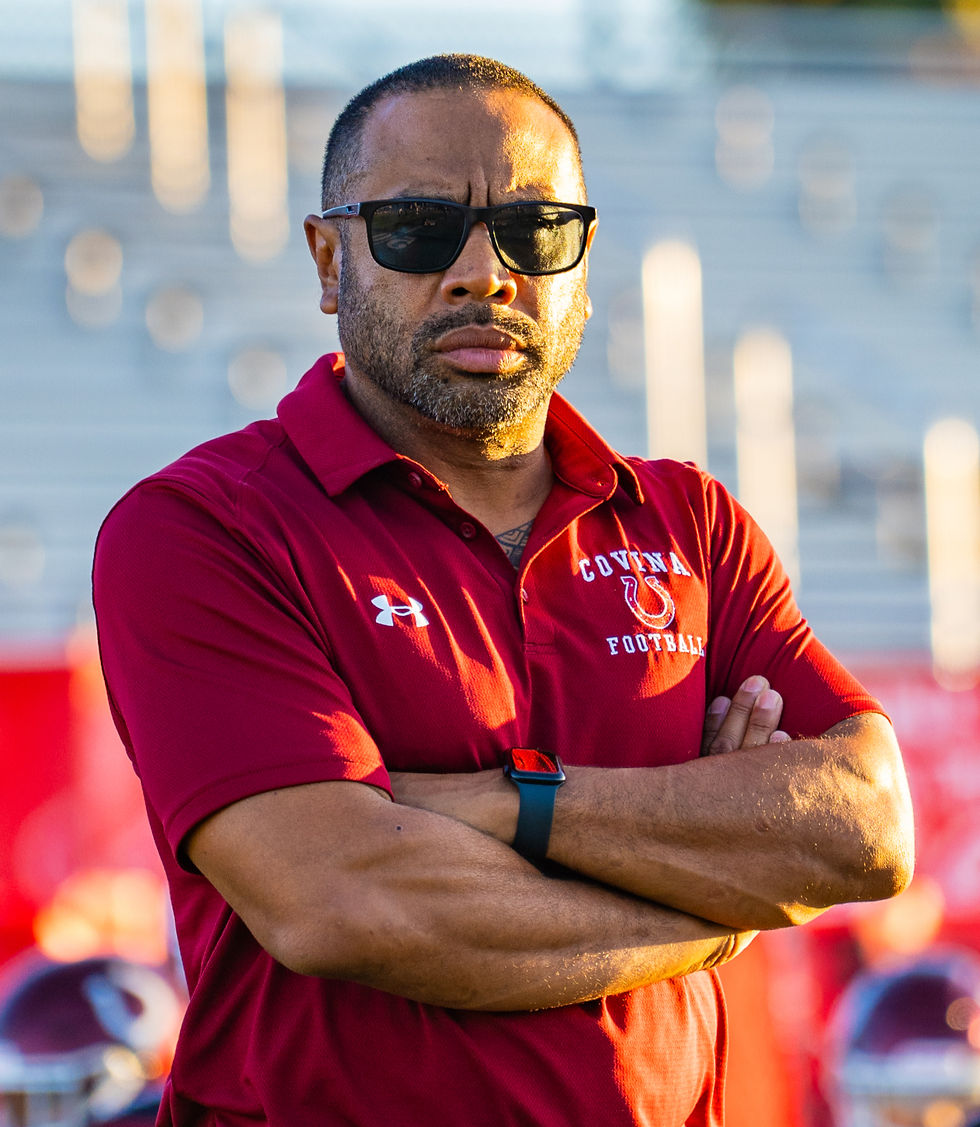
I’m a veteran educator and championship-level coach with 30+ years of experience building programs, developing coaches, and leading athletes with high standards and strong culture.
As an Athletic Director and football/track coach in Southern California since 1995—I’ve spent decades building systems that create consistency and real results. I’m a proven program builder, having developed staff, and supported teams and leagues through program formation, fundraising and community leadership.
At CFA, I lead our remote development programs for youth and high school coaches by helping them build better programs from the ground up. The mission is simple: better coaches build better teams, and better teams develop better student-athletes for life beyond the field.
Contact us HERE: contact@commandfootballacademy.com


Comments