It’s Not What You Know as a Football Coach. It’s What You Can Teach.

A lot of football coaches know a lot about football.
They’ve played the game, studied it, and spent years around good systems. Some played in college. Some were around high-level football. That experience can help, but it doesn’t automatically make someone a great teacher.
At the high school level, what matters most is simple.
It’s not what you know as a football coach. It’s what you can teach.
And even beyond that, it’s what your players can actually understand and execute.
That’s the real test.

Knowing Football and Teaching Football Are Not the Same
John C. Maxwell has a quote I’ve always liked: "educators take something simple and make it complicated, while communicators take something complicated and make it simple."
That’s a good reminder for football coaches. Sometimes we know so much that we end up talking over our players instead of teaching them.
At the high school level, the job is not to sound smart. The job is to make the game clear enough for players to understand it and carry it onto the field.
That happens in football all the time.
Some coaches know so much that they talk above their players. The language gets too heavy. The details pile up. The concept makes sense to the coach, but not to the 15-year-old hearing it for the first time.
That doesn’t make the coach bad. Usually it means he cares. He wants to give players everything he knows.
But players don’t play faster because the coach said more.
They play faster when the teaching is clear.

Playing Experience Doesn’t Guarantee Teaching Ability
Playing experience matters, but it doesn’t guarantee a coach can teach.
Some people played at a very high level and still struggle to explain the game in a way young players can grasp.
Others may not have a big playing résumé, but they become excellent coaches because they can communicate, simplify, and connect the dots.
That matters more than people think.
High school players don’t need a coach to impress them with football language. They need a coach who can help them understand what to do, why they’re doing it, and how it fits into the bigger picture.

High School Players Need the “Why”
It’s one thing to teach a player what to do.
It’s another thing to teach him why.
Why are we using this concept?
Why does this technique matter?
Why is this alignment important?
Why does my job connect to everyone else?
When players understand the why, football starts making more sense.
A receiver runs his route better when he understands what the concept is trying to create.
A quarterback plays faster when he understands the purpose of the progression.
A linebacker fits better when he understands how his job connects to the front.
The more players understand the bigger picture, the more confident and productive they usually become.

If They Can’t Understand It, They Can’t Execute It
This is where a lot of coaching breaks down.
A coach sees the whole concept.
The player usually sees only his small part of it, and sometimes not clearly yet.
If the coach teaches above the player’s level of understanding, the player may nod, repeat the words, and still not own it. Then the game speeds up, and confusion shows up.
That’s why good coaches keep asking:
Do my players really understand this?
And just as important:
Can they execute it under pressure?
Because hearing it is not enough.
Repeating it is not enough.
They have to be able to carry it onto the field.

Good Football Teaching Is Usually Simple
Good teaching usually looks like this:
Simple language
Clear purpose
Repetition without clutter
Players knowing their job and the reason behind it
Coaches checking for understanding
That last part matters.
A coach should never mistake silence for understanding. Players will often stay quiet even when they’re confused.
Good coaches slow it down, ask questions, and make sure the game actually makes sense.
That’s how understanding turns into execution.
Final Thought
A lot of coaches know football.
That’s not rare.
What’s rarer is finding coaches who can teach it clearly enough for players to understand it, trust it, and execute it.
At the high school level, that’s everything.
Because in the end, it’s not what you know as a football coach. It’s what you can teach.
And beyond that, it’s what your players can actually understand and execute.
That’s what helps them play fast.
That’s what helps them grow.
And that’s what makes coaching matter.
About Me - Kevin Glaspy
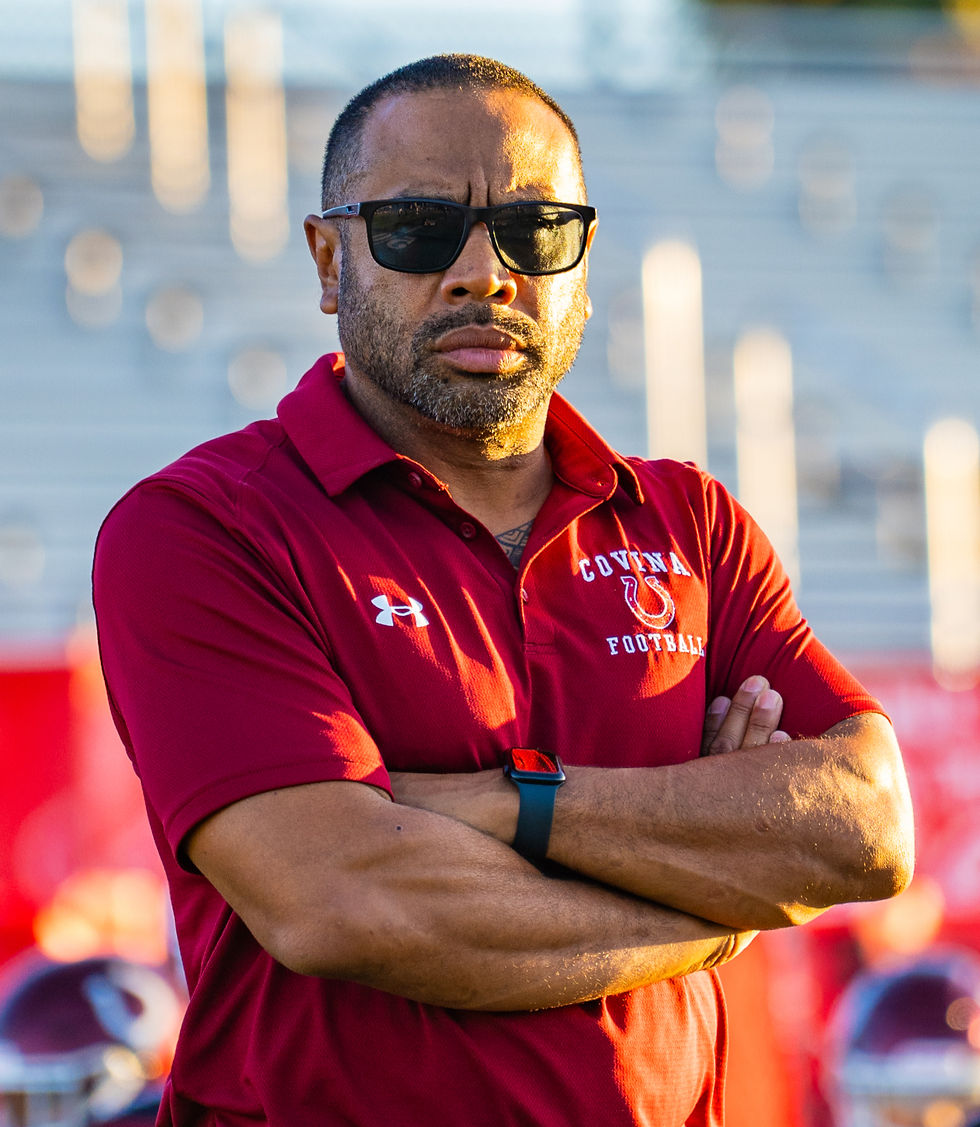
I’m a veteran educator and championship-level coach with 30+ years of experience building programs, developing coaches, and leading athletes with high standards and strong culture.
As an Athletic Director and football/track coach in Southern California since 1995—I’ve spent decades building systems that create consistency and real results. I’m a proven program builder, having developed staff, and supported teams and leagues through program formation, fundraising and community leadership.
At CFA, I lead our remote development programs for youth and high school coaches by helping them build better programs from the ground up. The mission is simple: better coaches build better teams, and better teams develop better student-athletes for life beyond the field.
Contact us HERE: contact@commandfootballacademy.com


Comments