What The Energy Bus Can Teach Coaches About High School Football Culture

Over the years, I’ve been part of championship seasons and losing seasons, and if there’s one thing I’ve learned, it’s this: talent alone doesn’t build a program.
Culture does.
That’s why I’ve always liked The Energy Bus. It’s a simple book with a message coaches can use right away. Energy is contagious. The people around you affect the direction of the group. And if you want to lead well, you have to be intentional about the energy you bring and the energy you allow. That applies directly to high school football culture.

Energy Spreads
Every team has a tone and identity.
You can feel it in practice, in meetings, on the sideline, and around campus. Good energy spreads, and bad energy does too. Players feel when a staff is connected, focused, and steady. They also feel when things are tense, divided, or flat.
One lesson I learned through the years was that I had to embody the energy I wanted our players to have on the field. I couldn’t ask them to practice with enthusiasm, focus, and urgency if I wasn’t bringing that myself. So I made it a point to lead that way during practice and in my daily interactions with students at school. I wanted our players to feel consistency. I wanted them to know what we stood for before we ever stepped on the field.
Culture is not just what you say at practice.
It’s what players feel from you every day.

Don’t Let Energy Vampires Drain the Program
One of the biggest mistakes coaches make is giving too much time and emotional energy to the small percentage of people who keep draining the room.
Every program has them. A player who resists accountability. A kid who keeps stirring things up. A staff member who brings negativity into meetings. If you’re not careful, those few people can take up most of the attention while the players doing things right get overlooked.
Good coaches don’t ignore problems, but they also don’t let a few energy vampires become the center of the program.
You correct what needs correcting. You hold the standard. Then you get your focus back on the people helping move the team forward.
That’s how you protect the room.

Every Player Needs a Role
One of the best ways to improve football team culture is to make sure every player knows he has a role and a reason to matter.
Not just the stars. Everybody.
The starting quarterback has a role. The backup safety has a role. The scout team receiver has a role. Even the younger player who’s still developing needs to understand where he fits and what the team needs from him.
When players know they matter, they buy in more deeply. When they buy in, they compete harder for each other.
That’s when culture starts becoming real.

Great Players Need to Do More
In high school football, your best players often need to carry more for the team.
We’ve had quarterbacks who were leaders, who brought positive energy, and who also started on defense. We’ve had players go both ways because that gave us the best chance to win.
At our program, that wasn’t really treated as an ask. It was an expectation. Great players make things happen, and if they can help the team in multiple ways, that’s what the team needs.
That sends a strong message.
It tells everyone the team comes first.

Love Is Still the Strongest Motivator
This is the biggest lesson for me.
A lot of people try to motivate through anger, fear, or proving somebody wrong. That can create short-term emotion, but it doesn’t build lasting culture.
Love does.
I don’t mean soft coaching. I mean real care.
Players know when a coach genuinely cares about them. They know when correction comes from investment. They know when teammates are playing for each other instead of for themselves.
In my experience, players will run through a brick wall for people they love and respect much faster than they will for people they fear or dislike.
That kind of connection lasts.
Fear might control behavior for a while.
Love builds commitment.

Final Thought
What The Energy Bus reminds me of is that leadership comes back to some simple truths.
Energy spreads.
Negativity drains.
Every player needs a role.
And love is still the strongest force in a team.
If you want to build better high school football culture, start there. Bring the right energy. Stop letting a few people drain the room. Make sure every player has a purpose. Set a high standard. And lead in a way that shows players they matter.
After more than 30 years in the same program, I can tell you this with confidence: scheme matters, but culture is what holds everything together.
About Me - Kevin Glaspy
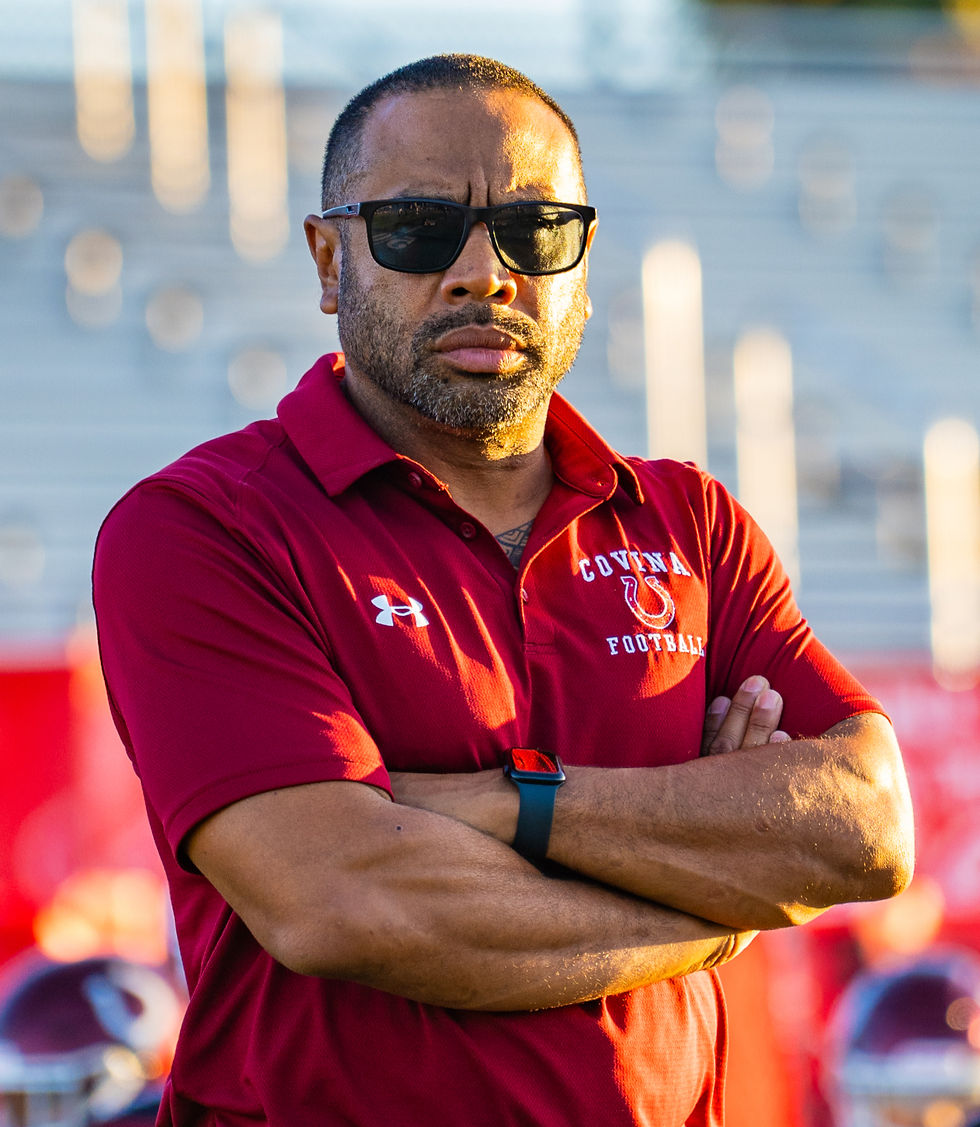
I’m a veteran educator and championship-level coach with 30+ years of experience building programs, developing coaches, and leading athletes with high standards and strong culture.
As an Athletic Director and football/track coach in Southern California since 1995—I’ve spent decades building systems that create consistency and real results. I’m a proven program builder, having developed staff, and supported teams and leagues through program formation, fundraising and community leadership.
At CFA, I lead our remote development programs for youth and high school coaches by helping them build better programs from the ground up. The mission is simple: better coaches build better teams, and better teams develop better student-athletes for life beyond the field.
Contact us HERE: contact@commandfootballacademy.com


Comments